

Introduction To Civil Procedure
It is often said in law schools and courtrooms alike – “If you know the Civil Procedure Code well, you know how to move in court.” This is because civil procedure is not just a bunch of technical requirements; it is the actual pathway to how courts render justice. Whether it is to file a plaint, file an affidavit, file an objection, or enforce a decree, every step within a civil case is based on a framework created by the Code of Civil Procedure, 1908 (CPC).
For any law student, learning Civil Procedure is not just about passing an examination, it is like learning the grammar of litigation. There is no doubt that a strong case may fail for want of procedure, and a weak case can succeed if it is filed and intelligently followed through. So let us explore the journey of a civil suit in India, starting from filing through to final execution, and consider the important stages, and the necessary Orders and Rules, from the CPC, that guide the process.
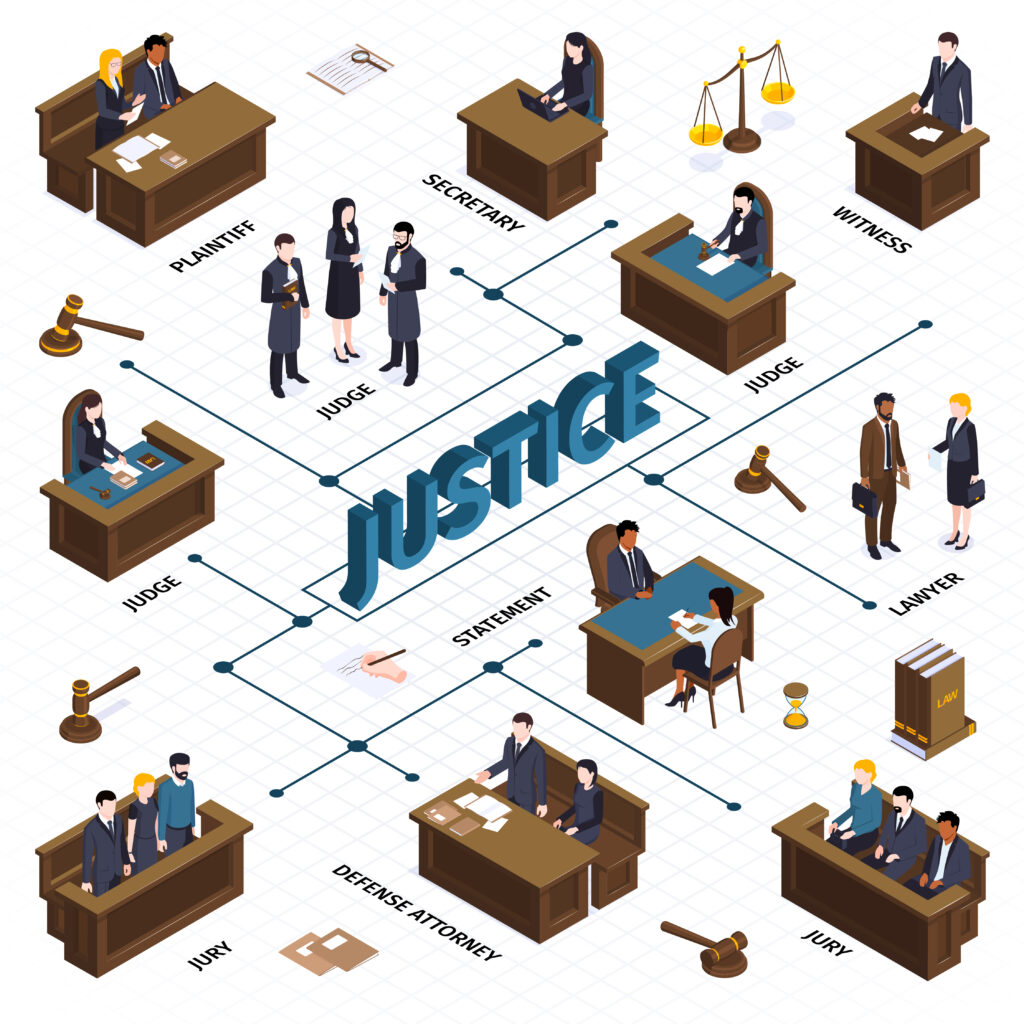
Step-by-Step Breakdown of Civil Procedure in India
1. Filing of the Plaint
Relevant Orders: I, II, IV, VI & VII
The civil procedure begins when the plaintiff (the person filing the case) submits a plaint—a written format of facts and the relief they seek from the court. It must include the right parties (Order I), the cause of action (Order II), and be detailed enough to explain the case (Order VI & VII). Once it is checked and accepted by the court registry under Order IV, the suit is formally instituted.
2. Summons to Defendant
Relevant Order : V
Once the suit is filed, it is rather straightforward, the first step being that the court issues a summons to the defendant. This is an official request to appear and state their side of the case (obviously something which is very unpleasant!), but this process is one of the cornerstones of justice: everybody has a right to be heard – or as lawyers would say it, audi alteram partem that means that the judge cannot pass judgment on someone without first letting them speak.
3. Written Statement and Set-Off
Relevant Order: VIII
The defendant then files a written statement – basically, their reply to the plaint. They can admit or deny the allegations, and if they have any counterclaims or monetary set-offs, they must mention them here. This must ideally be filed within 30 days, extendable to 90 days with a valid reason. Delays can seriously hurt their defense.
4. Framing of Issues
Relevant Order: XIV
Once both sides have shared their claims and replies, the court identifies the issues – the exact points of dispute that need to be resolved. These issues guide the entire trial. Without framed issues, there’s no proper trial.
5. Evidence Stage
Relevant Orders: XVI, XVIII, XIX
Now comes the most crucial stage – evidence. Both parties bring witnesses (Order XVI), documents, and affidavits (Order XIX) to support their case. Everything is recorded during this stage under Order XVIII. This is where facts are tested, and the story of the case is examined thoroughly.
6. Final Arguments and Judgment In Civil Procedure
Relevant Order: XX
After all the evidence is presented, both sides argue their case in detail. The judge then gives a verdict – either immediately or in a reasonable time – on the basis of law and fact. That verdict is then formalized into a decree, which is the final enforceable order in respect of the case.
7. Execution of the Decree
Relevant Order: XXI
Winning a case means little if the judgment is not implemented. That is why the final step is execution. The party in whose favour the decree is passed can ask the court to enforce it. This may include attachment of property, recovery of money, or other suitable methods.
Conclusion
A civil suit is not just about telling your story – it’s about telling it right, and at the right time, in the right format. That is where the CPC steps in. It’s not boring paperwork – it’s the blueprint of how justice works in Indian civil courts.
Many cases are lost not because the facts were weak, but because the procedure was mishandled – wrong documents, missed timelines, improper pleadings.
So if you’re a law student dreaming of arguing in the Hon’ble Delhi High Court or the Supreme Court someday – start here. Master the CPC. It’s your first step into the real world of litigation
BY:
Sneha Awasthi

Tripti Shukla
This article is a great resource for someone who started CPC.
Samarth Bhatt
A really insightful article providing a crisp and chronological perspective.
Judgment, Order, Decree: Legal Terms Demystified - Legal Maamla
[…] regard to all or any matter involved in the suit, which is defined under Section 2(2) of the Code of Civil Procedure, 1908. A key feature of a decree is that it is conclusive regarding of parties, and there are three types […]
Riya
Worth reading 👏